
Blog
How to Choose the Right Fabric for Caregiver Workwear?

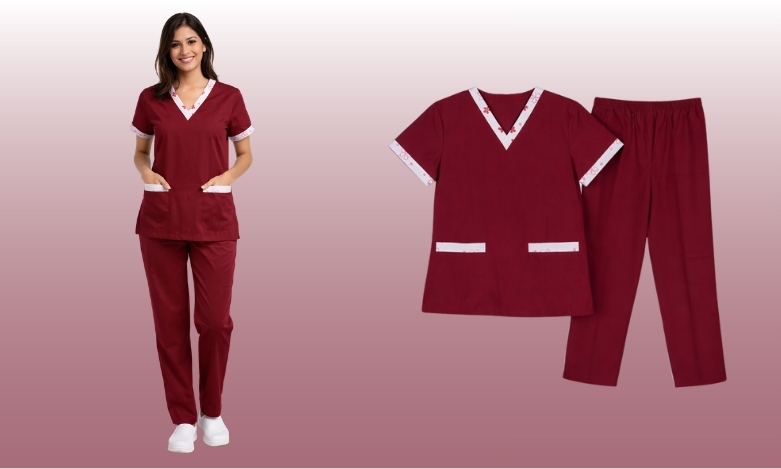
By mid-shift, you can usually tell.
Some outfits start feeling heavy. Others feel warm. A few need constant adjustment.
It’s rarely the design that causes it. More often, it’s fabric.
In caregiving roles, the day involves movement, spills, long hours, and repeated routines. What the clothing is made of starts to matter more than how it looks.
And that’s why fabric deserves closer attention.
Understanding What Caregiving Work Really Demands
Caregiving doesn’t follow one steady rhythm.
Tasks come up as they happen — assisting a child, managing a spill, or simply moving between spaces. The pace keeps shifting throughout the day. The pace rarely stays the same. The pace rarely stays the same. The day keeps shifting, and so does the pace. During this time, clothing goes through:
- Repeated movement
- Sudden bending
- Frequent contact with surfaces
- Long hours of use
- Fabric needs to handle all of this.
Something that works for short outings may not hold up through a full caregiving shift. And once this is understood, it becomes easier to see why fabric choice matters more than it seems.
Why Fabric Choice Matters More Than Most People Think
It usually shows up as the day goes on.
Some fabrics start trapping heat. Others feel stiff during movement. A few may even irritate the skin after hours of use. Over time, the wrong fabric can lead to:
- Discomfort during long shifts
- Restricted movement
- Faster wear and tear
- Difficulty staying fresh
These small effects can be added. And once they do, it becomes clear that the right balance between comfort and durability is worth considering.
Comfort vs Durability: Finding the Right Balance
Some uniform clothing feels good initially but doesn’t hold up through daily use. Other options…they just last longer but may feel stiff after a few hours. Over time, this becomes noticeable. The right fabric usually needs to:
- Stay breathable
- Allow movement
- Remain comfortable through long shifts
- Handle repeated use
Fabric should move with the routine rather than resist it. And once balance is found, hygiene becomes the next factor to consider.
Hygiene Starts with Fabric
A uniform usually deals with spills, food, and various other everyday challenges. Some fabric options feel easier to manage and others just feel a mess. When instances these like appear, the uniform must handle these challenges for caregivers without becoming difficult to maintain.
Helpful qualities may include:
- Easy washing
- Quick drying
- Resistance to lingering odors
- Ability to handle frequent cleaning
When fabric supports cleanliness, daily routines become easier to manage. And this naturally brings attention to how climate affects fabric choice.
In Caregiving, Room Temperature Is Important
Caregivers perform various duties during the day wearing the same fabric. The problem with some uniform fabrics is that they might feel okay in cooler rooms. But this comfortable feeling changes as room temperature increases.
Fabric choice should account for:
- Heat that builds up indoors
- Movement between different rooms
- Active tasks that raise body temperature
- Long hours in the same clothing
Lightweight and breathable materials tend to adapt better to these changes. And once climate is considered, it becomes easier to focus on fabrics that support daily caregiving work.
Fabrics That Support Active Caregiving
Caregiving requires constant movement, long hours wearing the same uniform and frequent washes. And not every fabric can meet these conditions especially when you’re selecting it for caregiving uniform.
The question remains unanswered that what fabric is best for caregiving roles?
Let’s answer this and help you choose the right uniform fabric:
- Allow natural movement without feeling restrictive
- Stay comfortable during extended shifts
- Retain their shape after multiple washes
- Handle regular use without wearing out quickly
Whenever you’re selecting a fabric for caregiving clothes, use this handy selection list. Instead of solely relying on fabric’s looks, pay attention to how they perform under certain conditions. Because only then can you offer caregivers something reliable to go by their routine work.
Choosing Fabric Based on Real Needs
We discussed fabric applications, we covered their importance and also key characteristics, but the fabric selection is pending. So, let’s discuss how you must pick a fabric for making caregiving uniforms that offer lasting support regardless of room temperature.
It helps to consider:
- How active the routine is
- The type of environment involved
- Daily responsibilities
- Personal comfort during long hours
Instead of focusing on what looks suitable, it often makes more sense to consider what performs well during everyday use. And with that in mind, the overall impact of fabric becomes easier to see.
Conclusion
Fabric choice often shapes how the day feels over time. As discussed, the right material should:
- Support movement through daily routines
- Stay comfortable during long hours
- Handle frequent washing
- Adapt to changing environments
- Help maintain cleanliness
These factors can quietly influence everyday work. And if you need further assistance in caregiving uniform fabric selection, our experts are just a call away. Write us at naynay.manila@gmail.com or dial +971 54 299 8581 to schedule a no-obligation demo today.
Choosing What Works for Your Situation
There isn’t one way to get this right. Every caregiving role runs a little differently — the pace, the space, the expectations. So, what someone wears usually ends up being shaped by what works during the day, not by any fixed rule.
It helps to consider:
- The level of physical activity involved
- The home or workplace environment
- Daily responsibilities and movement
- Personal comfort during long hours
Instead of focusing on what looks appropriate, the better question becomes:
What makes every day work easier?
And often, it’s these small, practical choices that shape how caregivers feel — and how they are perceived — over time.
Conclusion
Choosing the right workwear for caregivers isn’t about appearance alone — it’s about supporting how the role is performed every day. From what we discussed, the right clothing should:
- Support constant movement during active routines
- Prioritize comfort over long working hours
- Avoid creating safety risks in daily tasks
- Adapt to climate and real home environments
- Simplify routines through practical features
- Reflect the needs of each caregiving setting
These are some minor adjustments that bring major improvements. If you’re planning to incorporate uniforms caregiving setup, just give us a call on +971 54 299 8581. Or you may write us at naynay.manila@gmail.com for bulk order enquiries.