
Blog
How to Choose the Right Uniform for Caregivers?

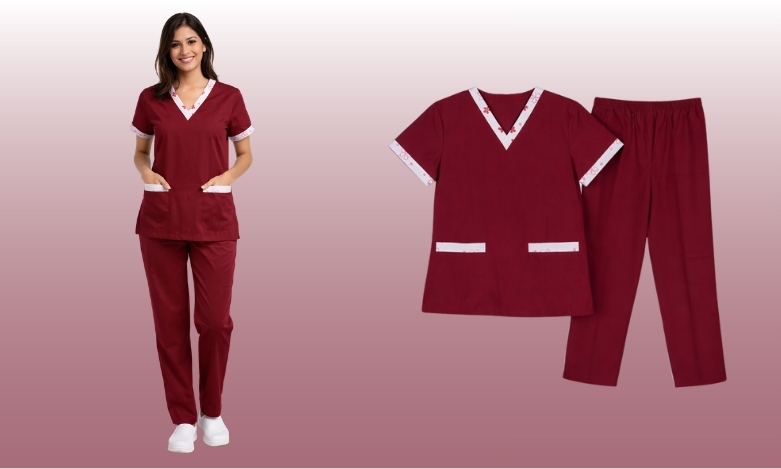
I often wonder what’s the role of professional uniforms in caregiving role.
A nursery manager I spoke with in Sharjah once shared how a simple change in staff workwear made daily routines noticeably smoother — fewer adjustments, more ease during playtime and lifting tasks.
It wasn’t about appearance. It was about practicality.
In childcare environments, clothing can influence movement, safety, and even the sense of trust families feels. Choosing the right workwear starts with recognizing that caregiving is active work — and what’s worn should support it.
Understanding the Reality of Caregiving Work
You only realize how physical caregiving is when you watch a full day unfold.
There’s lifting, bending, walking back and forth, tidying up, preparing meals — all happening in between moments of play and supervision. The role keeps shifting throughout the day, and the body keeps adapting to it.
Which is why clothing shouldn’t become another thing to manage. On any given day, a caregiver may need to:
- Bend repeatedly while assisting children
- Lift toddlers safely
- Sit on the floor during playtime
- Reach for items across rooms
- Stay active for long stretches
Workwear that restricts movement can turn simple routines into tiring ones. Unlike office roles, where clothing can remain mostly untouched throughout the day, caregiving requires attire that adapts to continuous activity. And once movement becomes easier, the next question naturally becomes — how does comfort shape performance over long hours?
Comfort Comes Before Appearance
A caregiver stays in the same clothing for good 8-10 hours a day.
When clothing feels tight, heavy, or awkward, it becomes something a caregiver keeps adjusting throughout the day. This slight discomfort, caused by long hours and constant movement, can impact their performance.
Practical workwear should allow:
- Breathability throughout the day
- Easy movement during active tasks
- Lightweight wear for extended shifts
- Minimal need for adjustment
Heavy fabric, poor airflow, or tight sleeves, the slightest discomfort can result in distractions over time. Clothing that feels effortless supports smoother routines. And once comfort is in place, safety becomes the next factor to consider.
Professional Appearance Builds Trust
Clothing has a major role in caregiving profession!
Daily routines involve kitchens, stairs, play areas, and constant movement. Workwear that isn’t suited for this environment can quietly create avoidable risks.
For example:
- Loose sleeves may brush against hot surfaces
- Long hems can get in the way while moving quickly
- Tight fits may limit safe lifting or bending
- Accessories can become distractions during active moments
The goal isn’t strict structure — it’s balance.
Clothing should move naturally without becoming a hazard. Because when safety is supported, appearance begins to take on a different kind of meaning.
Climate & Daily Environment Should Guide Choices
By midday, the day feels different.
Rooms feel warmer, the pace picks up, and you’re moving more than you expected in the morning. Something that felt comfortable earlier can start feeling heavy once the routine gets busy.
So what you wear has to keep up with the day as it changes. Practical workwear should account for:
- Heat and indoor humidity
- Movement between rooms and spaces
- Tasks that involve both activity and rest
- Ease of washing after long days
Clothing that works across different settings simply makes the day smoother. Once that’s sorted, it becomes easier to notice what actually helps during daily routines.
Practical Features That Make Daily Work Easier
Beyond comfort and safety, what really helps is clothing that doesn’t need management. In caregiving, outfits are part of the routine — so they should keep up without asking for extra attention.
Helpful features often include:
- Easy-to-care fabrics that handle frequent washing
- Fits that allow natural movement
- Durable materials that withstand daily use
- Simple designs that don’t interfere with tasks
Workwear should function like a quiet tool — supporting the day without becoming something that needs managing. And with practicality in place, the final step is choosing what works best for each unique caregiving situation.
Choosing What Works for Your Situation
There isn’t one way to get this right. Every caregiving role runs a little differently — the pace, the space, the expectations. So, what someone wears usually ends up being shaped by what works during the day, not by any fixed rule.
It helps to consider:
- The level of physical activity involved
- The home or workplace environment
- Daily responsibilities and movement
- Personal comfort during long hours
Instead of focusing on what looks appropriate, the better question becomes:
What makes every day work easier?
And often, it’s these small, practical choices that shape how caregivers feel — and how they are perceived — over time.
Conclusion
Choosing the right workwear for caregivers isn’t about appearance alone — it’s about supporting how the role is performed every day. From what we discussed, the right clothing should:
- Support constant movement during active routines
- Prioritize comfort over long working hours
- Avoid creating safety risks in daily tasks
- Adapt to climate and real home environments
- Simplify routines through practical features
- Reflect the needs of each caregiving setting
These are some minor adjustments that bring major improvements. If you’re planning to incorporate uniforms caregiving setup, just give us a call on +971 54 299 8581. Or you may write us at naynay.manila@gmail.com for bulk order enquiries.